OCD treatment · Online · Across New Zealand
Scrupulosity: religious and moral OCD, treated online in NZ
Scrupulosity is OCD that has latched onto religion, morality or the fear of being a bad person. It is treatable with the same approach used for other forms of OCD: exposure and response prevention, delivered in a way that respects what you believe.
Book a session Ask a questionAdults 18+ in New Zealand · Private-pay, not an ACC service · Online only · Not a crisis service
- Pick a time on our secure booking page (Carepatron), and a psychologist if you have a preference.
- Pay by card when you book: $228.85, plus a small card processing fee.
- Get your video link and a short intake form by email. How it works →
By booking, you agree to our Terms of Service, Privacy Policy and Cancellation Policy.
What is scrupulosity?
Scrupulosity is a form of obsessive-compulsive disorder in which the obsessions centre on religion or morality: fear of having sinned, blasphemed, offended God or acted immorally. Compulsions include repeated prayer, confession, reassurance-seeking and mental checking. It is driven by the OCD need for certainty, not by faith, and it responds to exposure and response prevention.
How scrupulosity shows up
Religious scrupulosity tends to attach to whatever matters most in your tradition. Someone might sit through a church service in Hamilton silently repeating a prayer until it feels "sincere enough", or avoid communion for fear of taking it unworthily. Others are tormented by blasphemous images that arrive during karakia or worship, and spend hours afterwards working out whether they "agreed" with the thought.
Common religious obsessions include fear of having committed an unforgivable sin, doubt about whether you truly believe, intrusive sexual or violent thoughts about religious figures, and fear of punishment for yourself or your whānau. The compulsions that follow are often invisible: silent re-praying, mentally reviewing the day for sins, confessing the same thing repeatedly, or asking a pastor, priest or parent the same question in slightly different words.
Moral scrupulosity doesn't need religion at all. It shows up as a relentless fear of being dishonest, unkind or unfair: replaying a conversation with a colleague for signs you misled them, driving back to the supermarket to return a 20-cent undercharge, or confessing tiny mistakes at work that nobody would notice. The feared outcome is being a bad person, and no amount of checking settles it.
The International OCD Foundation notes that in Western, secular countries up to a third of people with OCD have some scrupulous symptoms, and around 5 percent have scrupulosity as their main theme.
Faith, conscience or OCD? Telling the difference
Devout people and conscientious people care about doing right. That isn't a disorder. The difference lies in how the caring works.
- Faith usually brings a sense of connection; scrupulosity brings dread. Most people with scrupulosity say their symptoms interfere with their religious life and their relationship with God, rather than deepening it.
- Religious practice follows the tradition's own rules; scrupulosity exceeds or ignores them. If your minister says you have confessed enough and you still can't stop, or if you pray far beyond what your faith asks and it still feels wrong, that pattern points to OCD rather than devotion.
- A conscience notices and moves on; OCD demands certainty. Feeling bad about snapping at your kids, apologising and letting it go is conscience. Reviewing the moment for three hours to establish whether you are a fundamentally cruel person is scrupulosity.
- Scrupulosity fixates on trivial detail. The distress is often about whether a word in a prayer was pronounced correctly or whether a passing thought counted as a sin, rather than about the larger ethical questions your tradition actually emphasises.
Scrupulosity occurs across faiths and in people with no religion. Research with treatment-seeking adults found that overall OCD symptoms did not differ by religious affiliation; only the scrupulosity theme did. Being religious doesn't cause OCD. OCD simply uses what you value as its material.
Working respectfully with what you believe
Good treatment for scrupulosity targets the OCD, not your faith. Your psychologist doesn't need to share your beliefs, and won't try to argue you out of them. The goal is for you to practise your religion, or live by your values, the way your tradition and your own considered judgement actually ask, instead of the way OCD demands.
In practice, your psychologist will ask about your faith in detail so that exposures stay inside what your tradition permits. If you aren't religious, the same principle applies to your moral code. Treatment helps you act on your values with ordinary human imperfection, rather than policing every thought.
Book a session How booking works →
How ERP works for scrupulosity, step by step
Exposure and response prevention (ERP) is the psychological treatment recommended for OCD by NICE and the American Psychiatric Association, and it is what we use for scrupulosity. It is adapted carefully for this theme.
- Mapping the cycle. You and your psychologist list the triggers (a sermon, a swear word, a moment of doubt), the obsessions they set off, and every compulsion that follows, including the mental ones you might not have thought of as rituals.
- Response prevention. This is the heart of the work: praying once rather than until it feels right, confessing on your normal schedule rather than after every intrusive thought, and not asking others whether something was a sin. You keep your genuine religious practice and drop the OCD extras.
- Graded exposure. Exposures are built with you, within your beliefs. They might include reading a passage without analysing your reaction, deliberately leaving a doubt unresolved, writing out a feared thought, or saying a prayer with your mind wandering and letting it stand. For moral scrupulosity, it might mean not correcting a harmless imprecision in something you said.
- Learning to tolerate uncertainty. Over time, the question "did I mean it?" loses its urgency because you stop answering it. Many people find the obsessions quieten substantially as the compulsions fall away, though the pace varies from person to person.
Alongside ERP, your psychologist may use cognitive work on beliefs that fuel the cycle, such as the idea that having a thought is morally the same as acting on it.
Doing this work online
Scrupulosity lives in private moments: alone in prayer, in the car after a conversation, in bed reviewing the day. Online sessions let you practise where the OCD actually operates, in your own home with your own Bible, Qur'an or siddur to hand, rather than in a clinic room. Between sessions, your exposure practice happens in your real life, and we review it together.
A meta-analysis of remotely delivered CBT for obsessive-compulsive symptoms found outcomes not meaningfully different from face-to-face treatment, so distance need not stand between you and ERP wherever you live in New Zealand.
When scrupulosity overlaps with other things
Scrupulosity often sits alongside other OCD themes, especially violent or sexual intrusive thoughts and the mostly mental forms of OCD sometimes called pure O. Low mood is common too, because living under constant moral threat is exhausting. Your psychologist will assess the full picture and treat what matters most first.
Some people have had painful experiences in religious communities as well as OCD. Those are different problems with different treatments, and we won't assume one explains the other. If you are taking or considering medication for OCD, that conversation belongs with your GP or psychiatrist; our psychologists work alongside them but don't give medication advice.
What to expect at Mindwell
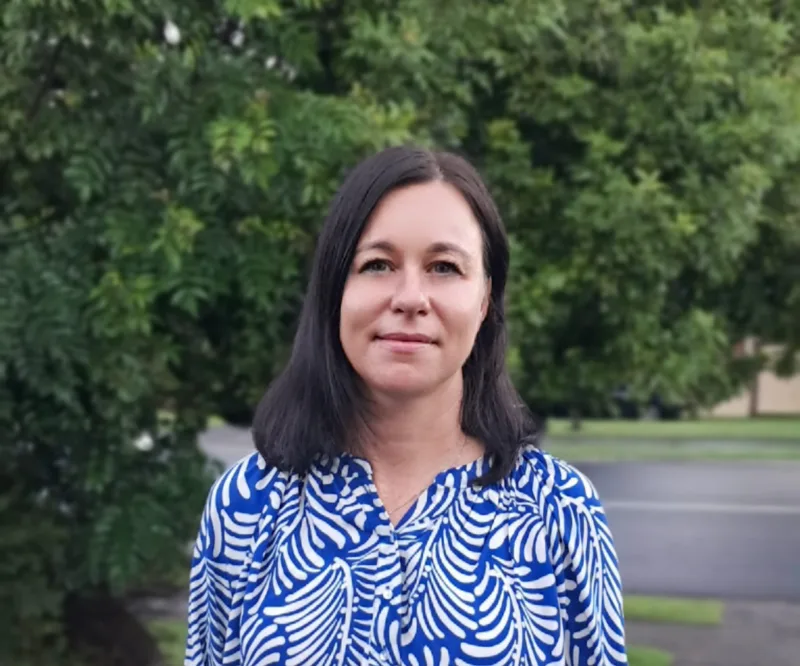
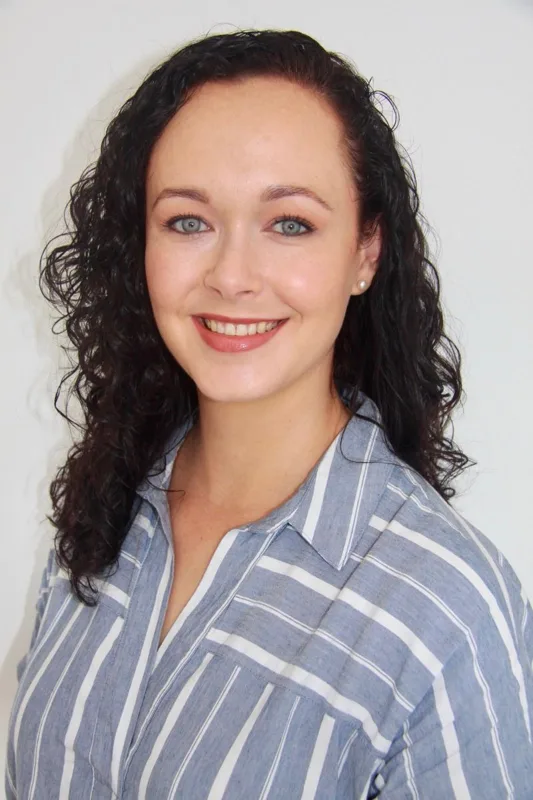
Mindwell is an online practice, so you can see a psychologist who offers ERP for OCD from anywhere in Aotearoa New Zealand without a referral. ERP for OCD is delivered by four of our psychologists: Sandy Laurenson, Clinical Psychologist; Candice van der Merwe, Counselling Psychologist; Inge Prince, Clinical Psychologist; and Katherine Lee, Registered Psychologist. Sandy completed the International OCD Foundation's Behavior Therapy Training Institute in 2025.
Your first 50-minute session usually covers your history, your faith or values context and your goals, and from there you and your psychologist agree a plan together. Sessions are $199 + GST ($228.85 incl. GST), paid at booking, and first appointments are usually available within 7 days. You can choose your psychologist or be matched with the first available. Mindwell works with adults 18+ in New Zealand and is not a crisis service.
Sources
- International OCD Foundation: What is OCD & Scrupulosity?
- Huppert JD, Siev J. Treating scrupulosity in religious individuals using cognitive-behavioral therapy. Cognitive and Behavioral Practice 2010;17(4):382-392
- Siev J. What is Scrupulosity? Massachusetts General Hospital OCD and Related Disorders Program
- Buchholz JL, Abramowitz JS, et al. Scrupulosity, religious affiliation and symptom presentation in obsessive compulsive disorder. Behavioural and Cognitive Psychotherapy 2019;47(4):478-492
- NICE guideline CG31: Obsessive-compulsive disorder and body dysmorphic disorder: treatment
- American Psychiatric Association practice guideline for OCD (2007), summarised in American Family Physician 2008
- Wootton BM. Remote cognitive-behavior therapy for obsessive-compulsive symptoms: a meta-analysis. Clinical Psychology Review 2016;43:103-113


Fees
One clear fee for all sessions: $199 + GST ($228.85 incl. GST) per 50-minute session. No referral needed. A Stripe card processing fee (2.9% + 60¢) applies at payment. Many health insurers cover psychology sessions; we provide a receipt you can submit for reimbursement. See full fees and payment details →
Frequently asked questions
Does scrupulosity mean my faith is weak or that I'm a bad person?
No. Scrupulosity is a recognised form of OCD, and the distress you feel about blasphemous or immoral thoughts shows how much the opposite values matter to you. People with OCD are tormented by thoughts precisely because they conflict with who they are. Treatment doesn't ask you to believe less; it helps you stop the rituals that keep the fear alive.
Will my psychologist try to change my religious beliefs?
No. Treatment targets the OCD, not your faith. Your psychologist will ask about your beliefs so that exposures stay within what your tradition permits, and will never ask you to do something your religion forbids. Many people find that as the OCD loosens its grip, their religious practice becomes more meaningful rather than less.
Can someone come to a session with me?
Yes, if you'd like them to. You're welcome to bring a support person to a session, such as your partner, a family or whānau member, or a friend. It's your choice, and coming on your own is fine too.
I'm not religious. Can I still have scrupulosity?
Yes. Moral scrupulosity is OCD focused on honesty, fairness, kindness or being a good person, with no religious content at all. Someone might agonise over whether a joke was offensive, confess trivial errors or feel compelled to correct every imprecise statement. It is assessed and treated the same way as religious scrupulosity, with ERP adapted to your own values.
Does ERP for scrupulosity mean doing things I consider sinful?
No. Exposures are designed with you and kept within your beliefs. Typical exercises involve tolerating doubt, not re-praying, not seeking reassurance, or sitting with an intrusive thought without neutralising it. The target is the OCD's demand for certainty. If an exercise would cross a real religious line, it isn't part of your plan.
How do I know whether it's OCD or genuine guilt about something I did?
A psychologist helps you look at the pattern. Genuine guilt is usually about a specific act, responds to a proportionate repair and then fades. Scrupulosity recurs about the same or trivial matters, demands certainty you can never quite reach, and is relieved only briefly by confession or reassurance. Our OCD assessment page explains what that conversation involves.
Ready to take the first step?
Booking takes just a few minutes. Choose a psychologist or take the first available appointment, and have your first session from the comfort of your own home.
Book a session Ask a questionAll sessions are online · Available across New Zealand · Confidential