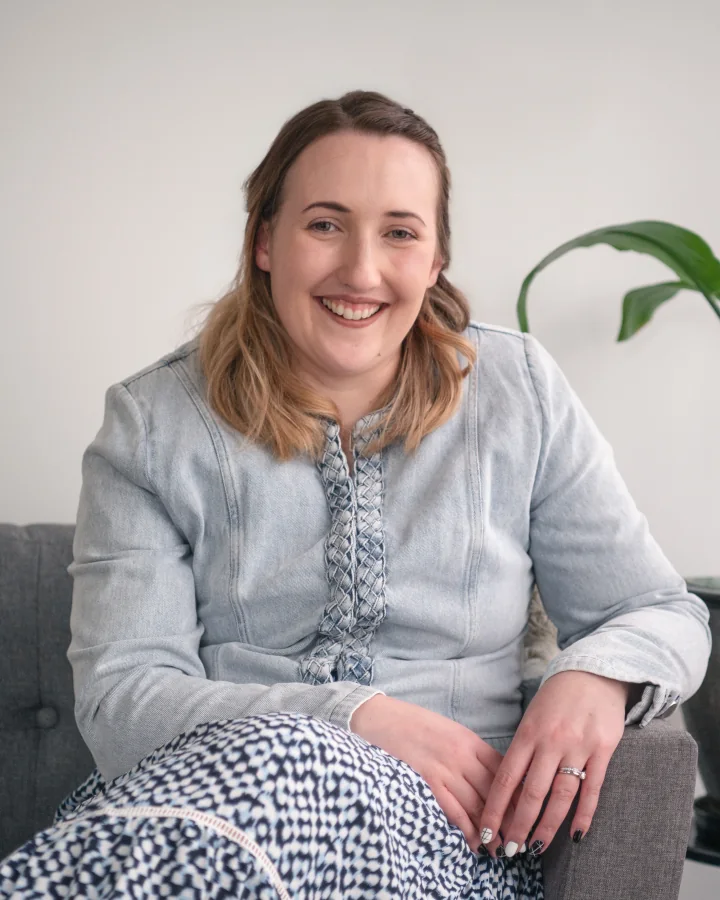
Katherine Lee
Eclectic, holistic and evidence-based, with experience across primary mental health, ACC sensitive claims and Corrections, supporting adults and parents through anxiety, relationships and trauma.
Session hours (NZ time): Mon, 9am to 3pm · Wed to Fri, 9am to 4pm
About Katherine
Katherine is a registered psychologist who has worked as a therapist since 2012 and as a registered psychologist since 2017. She makes your journey into therapy as welcoming and empowering as possible. Understanding that seeing a psychologist can feel daunting, Katherine works hard to create a friendly, relaxed environment where you can address your needs and meet your goals at a pace that feels right for you.
Katherine has had the privilege of working across a real range of settings, including youth and adult primary mental health services, ACC sensitive claims and the Department of Corrections. That breadth has shaped how she works: Katherine is friendly, grounded and easy to talk to, and balances genuine empathy with practical strategies that fit real life.
Katherine is passionate about helping people strengthen self-awareness and build confidence in handling life's challenges. Therapy with Katherine is guided by your goals, which might include exploring practical coping strategies, developing self-awareness, or building more positive thinking and behavioural patterns to help you thrive.
Therapeutic approach
Katherine works in a way that is eclectic and holistic, tailoring therapy to each person rather than following a fixed model. She has been fortunate to train in a range of evidence-based modalities and chooses what fits you, drawing on different approaches as your goals shift through the work.
Modalities Katherine has trained in include Acceptance and Commitment Therapy (ACT), Cognitive Behavioural Therapy (CBT), Schema Therapy, Dialectical Behaviour Therapy (DBT) and Eye Movement Desensitisation and Reprocessing (EMDR), and she uses Exposure and Response Prevention (ERP) for OCD. She also draws on mindfulness-based and trauma-informed approaches when relevant. Sessions focus on understanding the patterns and emotions beneath the surface, and on giving you practical tools you can carry well beyond the therapy room.
Areas of focus
- Anxiety and emotional regulation
- Relationships and parenting, including intimate relationships and family dynamics
- Interpersonal difficulties, including with friends and at work
- Trauma and PTSD
- OCD
- Fertility and perinatal mental health
- Depression, stress, sleep, grief and loss, and adjustment to life challenges
This isn't a complete list. If what you'd like help with isn't here, you're welcome to ask.