Eating and body image · Online · Across New Zealand
Eating disorders, binge eating and body image: therapy online in NZ
Struggling with food, bingeing, or how you feel about your body is not a failure of willpower. Evidence-based psychological therapy helps many people, and it can be done by video from anywhere in Aotearoa New Zealand. This page explains what we treat, what we don't, and when your GP needs to be involved too.
Book a session Ask a questionAdults 18+ in New Zealand · Private-pay, not an ACC service · Online only · Not a crisis service
- Pick a time on our secure booking page (Carepatron), and a psychologist if you have a preference.
- Pay by card when you book: $228.85, plus a small card processing fee.
- Get your video link and a short intake form by email. How it works →
By booking, you agree to our Terms of Service, Privacy Policy and Cancellation Policy.
What is the difference between disordered eating and an eating disorder?
Disordered eating describes a troubled relationship with food: strict rules, skipping meals, bingeing, guilt, or constant thoughts about weight and shape. An eating disorder is diagnosed when these patterns become persistent, distressing and harmful to health or daily life, as with anorexia nervosa, bulimia nervosa or binge eating disorder. Both deserve support.
How eating and body image difficulties show up
Most people who contact us about eating don't describe it as an eating disorder. They describe being "good" all week and then eating everything in the pantry on Friday night once the kids are asleep. They describe weighing themselves before and after a shower, dreading the shared lunch at work, or finding reasons not to go to the beach over summer.
Some patterns we hear about often:
- Rules and restriction: cutting out whole food groups, skipping breakfast and lunch to "save up" for dinner, counting every calorie in an app, feeling panicky when a plan changes.
- Binge eating: eating a large amount in a short time, usually alone, with a sense of being unable to stop, followed by shame and a vow to start again on Monday.
- Compensating: vomiting, laxatives, fasting or punishing exercise to "undo" eating.
- Body image distress: checking in every mirror and shop window, comparing yourself to everyone at the gym, avoiding photos at a whānau gathering, or clothes feeling like a daily verdict on your worth.
- Preoccupation: food, weight and shape taking up so much headspace that work, study and relationships get crowded out.
You don't need to be underweight, or to fit a diagnosis, for this to be worth treating. NICE's eating disorder guideline is explicit that single measures such as BMI should not be used to decide whether someone is offered treatment.
Binge eating: the cycle most people don't talk about
Binge eating disorder is a recognised eating disorder in its own right, listed alongside anorexia and bulimia in clinical guidelines. It is also one of the most hidden, because people assume it is simply greed or lack of discipline. It isn't.
Bingeing is usually driven by a cycle. Strict dieting or long gaps without eating build up physical and psychological hunger. A rule gets broken (one biscuit at smoko), the "I've blown it" thinking kicks in, and the binge follows. Then come guilt, a new set of stricter rules, and the cycle resets. Difficult emotions, boredom, loneliness or a stressful day often sit underneath as well.
Treatment targets the cycle, not your character. For adults with binge eating disorder, NICE recommends starting with a structured guided self-help programme, moving to CBT-ED (eating-disorder-focused CBT) if that isn't enough or doesn't suit. The same stepped approach applies to bulimia nervosa. A psychologist can deliver either step, and will help you work out where to start.
Body image distress: more than not liking what you see
Almost everyone has days when they don't like how they look. Body image becomes a clinical problem when your weight and shape become the main way you judge your worth, and when checking, comparing and avoiding start shaping your days.
In practice this looks like pinching your stomach to check it, trying on five outfits and still cancelling, scrolling other people's bodies late at night, or refusing to be in the family photo at your own child's birthday. It also looks like the opposite: refusing to look in mirrors, wearing baggy clothes in a hot summer, or not knowing what you actually look like because you never let yourself see.
Body image work in therapy doesn't try to convince you that you look fine. It works on how much weight (literally) your appearance carries in your sense of self, reduces the checking and avoidance that keep distress alive, and helps you build other parts of life that have nothing to do with your body.
Book a session How booking works →
CBT-E, in plain language
Enhanced cognitive behaviour therapy (CBT-E) was developed by Christopher Fairburn and colleagues at Oxford. It is "transdiagnostic", meaning it was designed to work across eating disorders rather than for one label, and it is the form of CBT-ED that research has studied most. A 2020 systematic review of 20 studies found CBT-E effective across a range of eating disorder diagnoses in adults, though not clearly superior to other good treatments.
CBT-E runs in stages. Early on, you and your psychologist map out exactly what keeps your eating problem going for you, then introduce regular eating: three meals and two or three planned snacks, with no more than about four hours between them. This alone often reduces bingeing, because it removes the long gaps that set binges up. You keep simple real-time records so you can both see what actually happens, not what you remember on a bad day.
The middle stages tackle whatever matters most for you: dietary rules, overvaluation of shape and weight, body checking and avoidance, eating in response to emotions or events, and the perfectionism or low self-esteem that often sit alongside. The final stage is about keeping gains and planning for setbacks, because setbacks are expected, not failures.
For people who are not significantly underweight, CBT-E is usually around 20 sessions over 20 weeks. For people who are underweight it is longer, around 40 sessions, and that version needs medical oversight that an online-only service cannot provide on its own (more on that below). NICE recommends CBT-ED as one of three first-choice psychological treatments for adults with anorexia nervosa, and as the next step for adults with bulimia nervosa or binge eating disorder when guided self-help is not enough or does not suit.
When your GP needs to be involved, and when online therapy on its own isn't enough
Eating disorders affect the body as well as the mind. Vomiting, laxative use, fasting and significant weight loss can disturb heart rhythm, blood chemistry, blood pressure and bone health, and some of these changes are not something you can feel. Clinical guidelines, including NICE's, stress that physical health needs to be assessed and monitored as part of eating disorder care.
Mindwell provides online psychological therapy. We do not do physical examinations, blood tests or weight monitoring for medical safety, and we do not have dietitians or doctors on the team. That means:
- If you are purging, restricting heavily, losing weight quickly, feeling faint or dizzy, or have noticed heart palpitations, please see your GP first. Your GP can check your physical health and, with your agreement, we can then work alongside them.
- If you are significantly underweight, or your GP is concerned about your physical safety, you need a multidisciplinary team: GP, dietitian and often a specialist eating disorder service. Health NZ runs regional eating disorder services that your GP can refer you to. Online therapy with us may be helpful later, but should not be your only treatment at that point.
- If you are medically well and your difficulty is binge eating, bulimia-type patterns without medical complications, chronic dieting or body image distress, online therapy is a reasonable place to start, and we would still suggest letting your GP know.
Two New Zealand resources worth knowing: Healthify has clear information on eating disorders and the help available, and EDANZ (the Eating Disorders Association of New Zealand) supports families and carers, with a helpline on 0800 2 EDANZ (0800 233 269).
Doing this work by video
Shame is the thing that stops most people getting help for eating difficulties. Talking about it from your own couch, with no waiting room and no one seeing you walk into a clinic, lowers that barrier for many people.
There are clinical advantages too. Your kitchen is right there, so if a planned snack during session is part of your plan, you can do it in real life rather than talk about it. You can hold up the app you track food in, show the shelf where the binge foods live, or do a body image exercise in your own mirror with your psychologist guiding you. If regular weighing is part of your plan, your psychologist will talk through how to do it at home in a way that replaces anxious checking rather than feeding it.
Research supports this. When an Australian eating disorder service moved to telehealth during COVID-19, reductions in eating disorder symptoms and impairment were similar to those seen in face-to-face treatment before the pandemic. Online delivery also means people in places without a specialist eating disorder clinician, from Kaitaia to Gore, can see a psychologist who does this work regularly.
Who this is for, and who needs something different
We work with adults (18 and over) in New Zealand who want help with binge eating, bulimia-type patterns, chronic dieting and food rules, body image distress, or disordered eating that doesn't fit a neat label. People who recovered years ago and feel old habits creeping back are welcome too.
Online therapy with us is not the right sole option if you are medically unstable, significantly underweight, or in crisis. In those situations your GP, Health NZ specialist services or, in an emergency, 111 are the right first calls. If you aren't sure which group you're in, your GP is well placed to help you decide, and you are welcome to email us a question first.
Eating difficulties rarely travel alone. Many people we see also live with anxiety, low mood, trauma or difficulty managing strong emotions, and treatment can hold those together rather than treating them in separate boxes.
What to expect at Mindwell
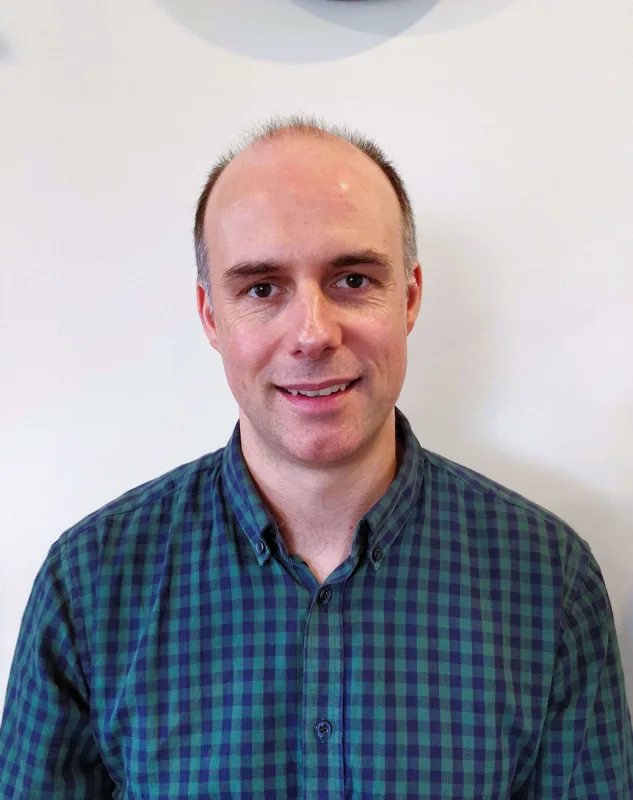
Jeremy Mason, a Clinical Psychologist who has worked in specialist eating disorder and chronic pain services, lists eating disorders among his areas of focus and works with CBT and ACT. Jake Meads, Counselling Psychologist, also lists eating disorders among his areas of practice.
Your first session is spent understanding your eating, how it developed, what you've tried, your physical health, and what you want to be different. You'll agree a plan together, including whether your GP should be part of it. Sessions are 50 minutes and, for eating work, usually weekly to begin with because momentum matters.
Every session is $199 + GST ($228.85 incl. GST), paid at booking, with receipts you can send to your health insurer if your policy covers psychology. There is no referral needed, and first sessions are typically available within seven days. If you would like a letter to your GP or another provider, that is quoted and agreed with you in advance.
Sources
- NICE guideline NG69: Eating disorders: recognition and treatment (2017, updated 2020)
- Atwood ME & Friedman A (2020). A systematic review of enhanced cognitive behavioral therapy (CBT-E) for eating disorders. International Journal of Eating Disorders, 53(3), 311-330
- CREDO, University of Oxford: Enhanced cognitive behaviour therapy (CBT-E) overview
- Raykos BC et al. (2021). Positive outcomes from integrating telehealth into routine clinical practice for eating disorders during COVID-19. International Journal of Eating Disorders
- Healthify He Puna Waiora: Eating disorders
- Eating Disorders Association of New Zealand (EDANZ)

Fees
One clear fee for all sessions: $199 + GST ($228.85 incl. GST) per 50-minute session. No referral needed. A Stripe card processing fee (2.9% + 60¢) applies at payment. Many health insurers cover psychology sessions; we provide a receipt you can submit for reimbursement. See full fees and payment details →
Frequently asked questions
I don't think I'm "sick enough" to need help. Should I still book?
Yes. Feeling not sick enough is itself a very common part of eating difficulties. Clinical guidelines are clear that weight or BMI alone should not decide whether someone gets treatment. If food, weight or your body are taking up more of your head than you'd like, that is reason enough. If you are unsure whether you also need medical care, your GP can help you decide.
Will I be told to diet or lose weight?
No. CBT-E is not a weight-loss programme, and dieting is usually part of what keeps bingeing going. The focus is on regular, flexible eating, loosening rigid rules, and reducing how much your weight and shape dominate how you feel about yourself. Decisions about weight and physical health sit with you and your GP, not with your psychologist.
Do I have to be weighed?
Nothing happens without your agreement. For many people, a planned weekly weigh-in is part of CBT-E, because it replaces frantic checking (or total avoidance) with one calm, predictable check that you interpret together with your psychologist. Online, that means your own scales at home. If this feels impossible right now, say so; it is a conversation, not a requirement.
Can my psychologist advise me about medication?
Psychologists in New Zealand do not prescribe. Medication is sometimes discussed alongside therapy for some eating disorders, but whether that suits you is a decision for your GP or a psychiatrist. Please do not start, stop or change any medication without talking to them. With your consent, your psychologist can share a summary of your therapy with your GP so care is joined up.
How long does therapy for eating difficulties take?
The standard CBT-E programme for people who are not underweight is about 20 sessions over 20 weeks, with sessions twice a week for the first few weeks. Guided self-help for binge eating is shorter. Some people with a narrower goal, such as body image distress without disordered eating, need less. Your psychologist will suggest a plan after the first session or two and review it with you as you go.
I'm a man. Do you see men with eating difficulties?
Yes. Eating difficulties and body image distress affect adults of every gender, and men are less likely to seek help partly because the problem is still seen as a women's issue. Muscle-focused preoccupation, rigid "clean eating" and compensatory exercise are common presentations. Treatment is the same evidence-based approach, adapted to what matters for you.
Ready to take the first step?
Booking takes just a few minutes. Choose a psychologist or take the first available appointment, and have your first session from the comfort of your own home.
Book a session Ask a questionAll sessions are online · Available across New Zealand · Confidential